
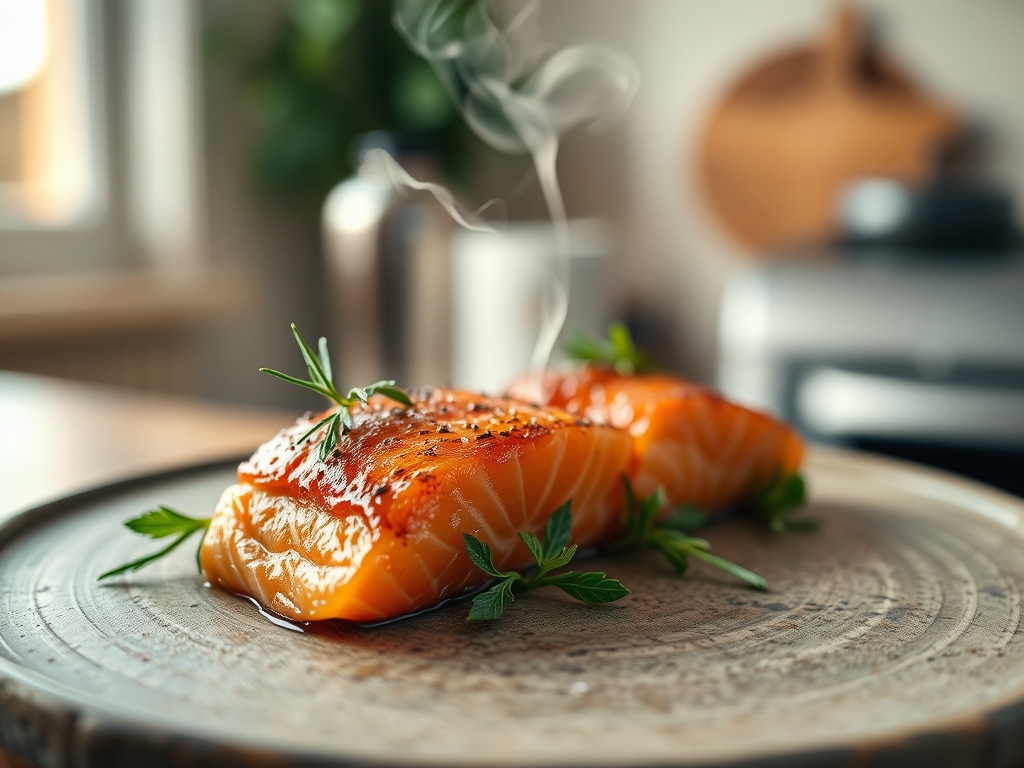
Imagine the smell of burning fruitwood mingling with the saline sweetness of fresh Atlantic fillets. There is a specific alchemy that happens when you master pit boss smoked salmon recipes; it is the moment the translucent orange flesh transforms into a buttery, opaque masterpiece. We are moving beyond basic grilling and entering the realm of precision thermal engineering.
Success in the smokehouse requires more than just a pellet grill. It demands an understanding of how smoke particles adhere to protein surfaces and how moisture retention dictates the final mouthfeel. Most people settle for dry, salty fish that resembles jerky more than fine dining. We are not most people. We are going to use the Pit Boss to create a lacquered, melt-in-your-mouth texture that rivals the best Pacific Northwest smokehouses. This is about controlling the pellicle, managing the moisture, and ensuring every bite is an explosion of piquant smoke and rich omega-3 fats. Let's get your station ready because we are about to turn your backyard into a five-star larder.
The Gathers:
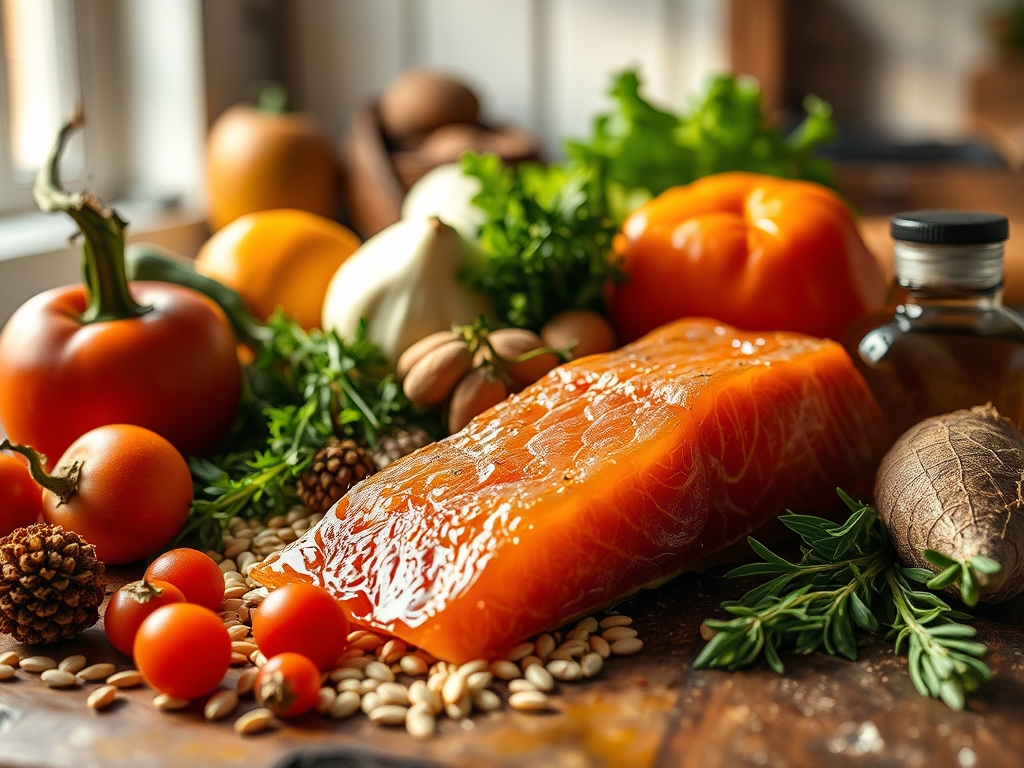
Your mise-en-place is the foundation of structural integrity for this dish. Start with a side of salmon, preferably center-cut to ensure uniform thickness. You will need a digital scale to measure your cure precisely; volume measurements for salt vary wildly by brand. For the dry brine, gather high-quality kosher salt and dark brown sugar. The molasses in the sugar provides a viscous coating that aids in the Maillard reaction.
You will also need a microplane for zesting lemons, which provides an acidic counterpoint to the heavy fats. For the glaze, have maple syrup and a splash of bourbon ready. Smart Substitutions: If you are avoiding refined sugar, coconut sugar offers a similar depth of flavor. If you lack bourbon, a splash of apple cider vinegar provides the necessary acidity to cut through the smoke. Ensure you have a bench scraper nearby to clean your prep surface and a pair of long-handled tongs for the delicate transfer from the cooling rack to the grill.
The Clock
The "Chef's Flow" is all about the waiting game. Precision smoking is 90 percent preparation and 10 percent heat application.
- Prep Time: 20 minutes (slicing and seasoning).
- Brine Time: 4 to 12 hours (essential for protein denaturation).
- Drying Time: 2 to 4 hours (to form the pellicle).
- Cook Time: 2 to 3 hours at 180 degrees Fahrenheit.
- Rest Time: 15 minutes.
By staggering your prep, you allow the salt to penetrate the cellular walls of the fish, which prevents the albumin (that unsightly white protein) from leaking out during the cook.
The Masterclass
1. The Precision Dry Brine
Coat your fillets in a 2:1 ratio of brown sugar to kosher salt. Ensure every inch of the flesh is covered. Place the fish on a wire rack over a sheet pan to allow for airflow.
Pro Tip: This process uses osmosis to draw out excess moisture while simultaneously seasoning the interior. By reducing the water activity on the surface, you concentrate the flavor and firm up the texture.
2. The Pellicle Development
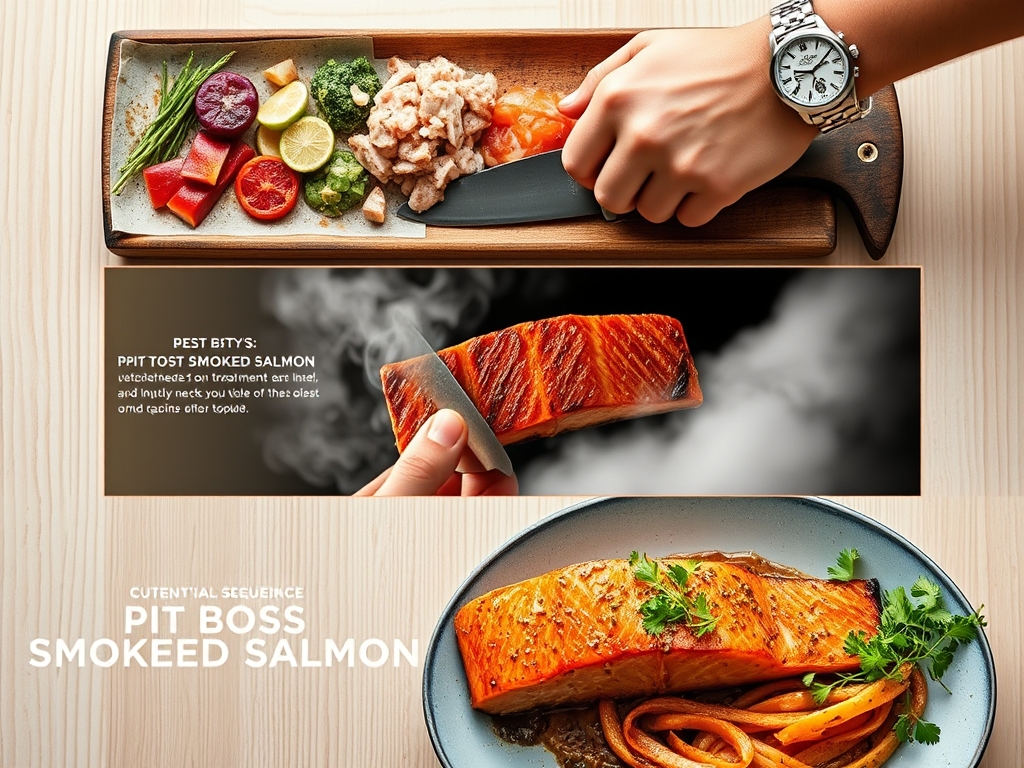
After rinsing the brine off, pat the fish bone-dry with paper towels. Place it back in the refrigerator, uncovered, for at least two hours. Note the tacky, shiny texture in the step-by-step photos below.
Pro Tip: This sticky layer is called the pellicle. It acts as a biological adhesive for smoke molecules. Without a proper pellicle, the smoke will simply bounce off the fish rather than infusing into the fat.
3. The Low and Slow Ignition
Set your Pit Boss to "Smoke" or its lowest setting, ideally 180 degrees Fahrenheit. Use fruitwood pellets like cherry or apple for a subtle, sweet profile.
Pro Tip: Low temperatures prevent the muscle fibers from contracting too quickly. Rapid contraction squeezes out the internal juices, leading to a dry, chalky finish. Keeping it low ensures the fats render slowly.
4. The Glaze Application
Once the internal temperature reaches 110 degrees Fahrenheit, use a silicone brush to apply your maple-bourbon glaze.
Pro Tip: This is a late-stage infuse technique. Adding sugar too early can lead to scorching. By waiting until the end, you create a tacky, lacquered finish that traps the smoke flavor against the meat.
5. Monitoring the Internal Temp
Use a high-quality meat probe to monitor the thickest part of the fillet. You are aiming for an internal temperature of 140 to 145 degrees Fahrenheit.
Pro Tip: Thermal carryover is real. Remove the salmon at 138 degrees; the residual heat will continue to cook the fish as it rests, bringing it to a perfect 145 without overextending the proteins.
6. The Cooling Phase
Transfer the salmon to a clean wire rack. Do not tent it with foil, as this will steam the skin and ruin the texture you just worked so hard to achieve.
Pro Tip: Cooling the salmon slowly allows the viscous fats to redistribute and firm up. This makes for much cleaner slices when you are ready to serve.
7. The Final Garnish
Use your microplane to shower the fillet with fresh lemon zest and cracked black pepper just before serving.
Pro Tip: Fresh aromatics provide a volatile oil burst that hits the nose before the palate, enhancing the overall sensory experience of the smoked fish.
The Deep Dive
From a macro perspective, smoked salmon is a nutritional powerhouse. It is exceptionally high in Omega-3 fatty acids, which are essential for brain health, and provides roughly 20 grams of protein per 3-ounce serving.
Dietary Swaps: For a Keto-friendly version, swap the brown sugar and maple syrup for an erythritol-based brown sugar substitute and sugar-free maple syrup. For a Vegan "salmon" alternative, you can apply these same smoking techniques to thick-cut slabs of marinated watermelon or carrots, though the cook time will be significantly reduced.
The Fix-It:
- White Gunk (Albumin): If you see white beads on the surface, your heat is too high. Lower the temp immediately.
- Salty Overload: If the fish is too salty, you brined it too long. Next time, reduce the brine time or increase the sugar-to-salt ratio.
- Acrid Taste: This happens from "dirty smoke." Ensure your Pit Boss burn pot is clean and you are seeing thin, blue smoke rather than thick, white clouds.
Meal Prep: To reheat without losing quality, place the salmon in a heavy-bottomed skillet with a tablespoon of water and cover with a lid over low heat. This creates a gentle steam environment that rehydrates the fish without overcooking it.
The Wrap-Up
Mastering pit boss smoked salmon recipes is a rite of passage for any serious outdoor cook. It is a delicate balance of salt, sugar, smoke, and time. By focusing on the science of the pellicle and the precision of the internal temperature, you are moving away from guesswork and into the realm of culinary expertise. Your Pit Boss is a tool; use it with the intent of a chef. Now, go get that grill fired up and prepare to be the hero of your next brunch or dinner party.
The Kitchen Table
How do I prevent the salmon from sticking to the grates?
Ensure your grates are scrubbed clean with a bench scraper and lightly oiled. Additionally, starting with a cold grate can sometimes help, but the best defense is a well-developed, dry skin side before it hits the heat.
What is the best wood pellet for salmon?
Fruitwoods like apple, cherry, or peach are superior. They offer a mild, sweet smoke that does not overwhelm the delicate flavor of the fish. Avoid heavy woods like mesquite, which can turn the salmon bitter and metallic.
Can I smoke frozen salmon fillets?
You must thaw them completely in the refrigerator first. Smoking relies on the surface texture and moisture content; frozen cells are ruptured and will leak excessively, preventing a proper pellicle from forming and ruining the final texture.
How long does smoked salmon stay fresh?
Properly smoked and vacuum-sealed salmon lasts up to two weeks in the refrigerator. If stored in a standard airtight container, consume it within five days. For longer storage, it freezes beautifully for up to three months.