
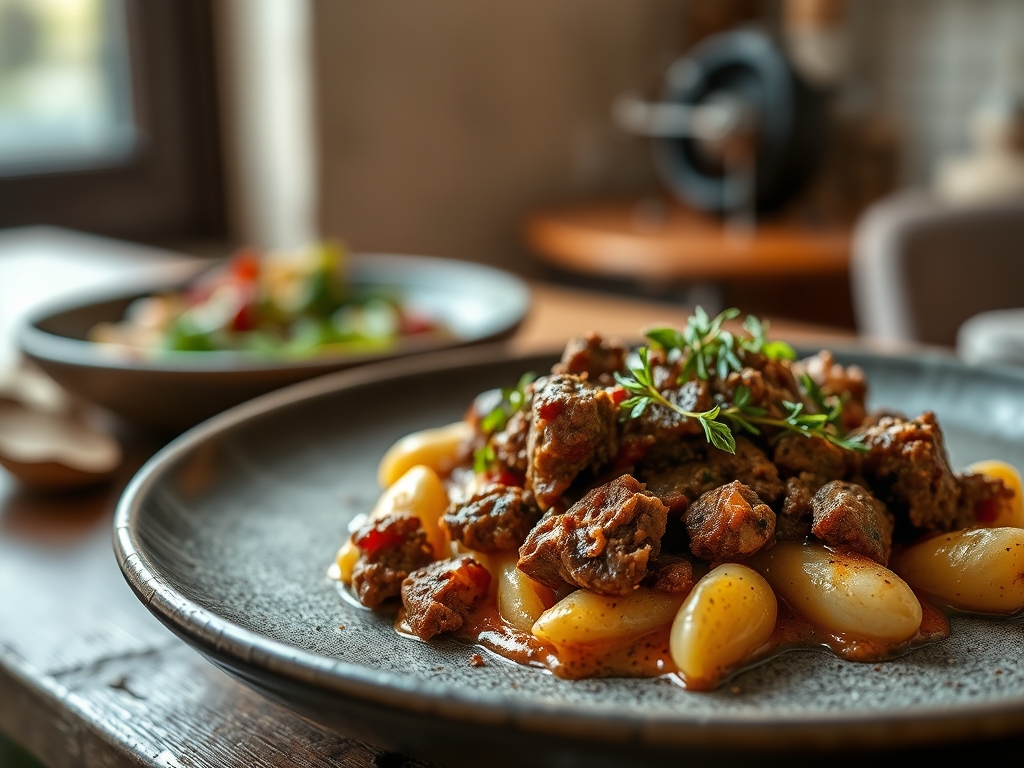
Imagine a heavy-bottomed skillet hissing as cold fat hits a searing surface. The aroma of rendering beef fat mingles with the earthy scent of potato dough. This is the ultimate comfort fusion. Mastering gnocchi and ground beef recipes transforms a humble weeknight into a five-star dining experience. It is the perfect marriage of chewy, pillowy textures and savory, Maillard-driven richness.
You are not just tossing ingredients into a pan; you are orchestrating a complex series of chemical reactions. The goal is to achieve a velvet-like sauce that clings to every ridge of the gnocchi. Whether you are craving a piquant Arrabbiata or a creamy Stroganoff-inspired blend, the foundation remains the same. We are looking for that specific moment when the starch from the gnocchi water emulsifies with the beef drippings to create a glossy, restaurant-quality glaze. Let us dive into the mechanics of why this combination works so well and how you can master it in under thirty minutes.
The Gathers:
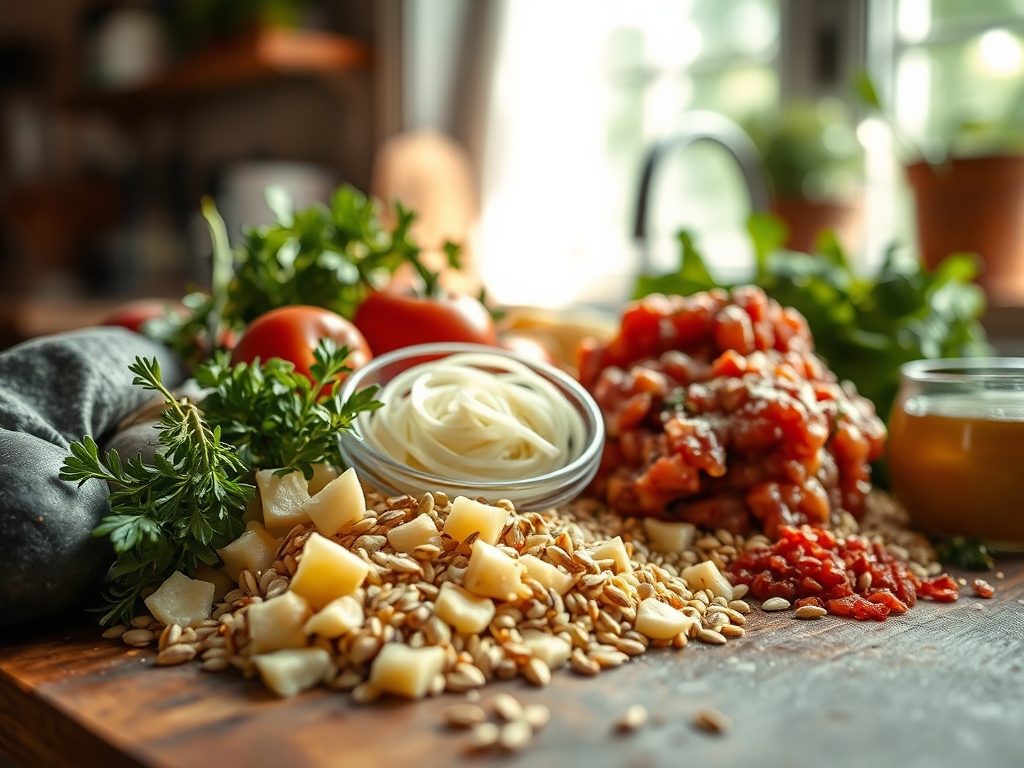
To execute world-class gnocchi and ground beef recipes, your mise-en-place must be precise. Start with 80/20 ground chuck. The 20 percent fat content is non-negotiable for flavor and moisture. For the gnocchi, look for shelf-stable or refrigerated potato-based varieties. High-quality gnocchi should feel dense but give slightly when pressed; this indicates a proper starch-to-flour ratio that will hold up during the deglazing process.
Your secondary players include aromatics like shallots and garlic. Use a microplane to grate your garlic into a paste; this increases surface area and ensures the flavor infuses the oil without burning. You will also need a high-quality fat like unsalted butter or extra virgin olive oil to help aerate the sauce. Smart substitutions are key for the modern kitchen. If you want to lighten the dish, swap ground beef for ground turkey but add a teaspoon of Worcestershire sauce to mimic the umami depth of red meat. For a gluten-free version, cauliflower gnocchi works beautifully, though it requires a higher initial sear to prevent it from becoming mushy.
The Clock: Efficient Chef's Flow
Efficiency in the kitchen is about overlapping tasks to maximize flavor development. Total prep time for these gnocchi and ground beef recipes is ten minutes, with a cook time of fifteen to twenty minutes. This is what professionals call the Chef's Flow.
While your heavy-bottomed skillet preheats, you should be mincing your aromatics. The beef goes in first to render its fat, which then acts as the cooking medium for the gnocchi. Never wait for the water to boil to start the meat. By the time the beef is browned and the pan is ready to be deglazed, your gnocchi should be just hitting the water. This synchronization ensures that the pasta is added to the sauce at its peak thermal state, allowing for maximum absorption.
The Masterclass:
1. The Maillard Sear
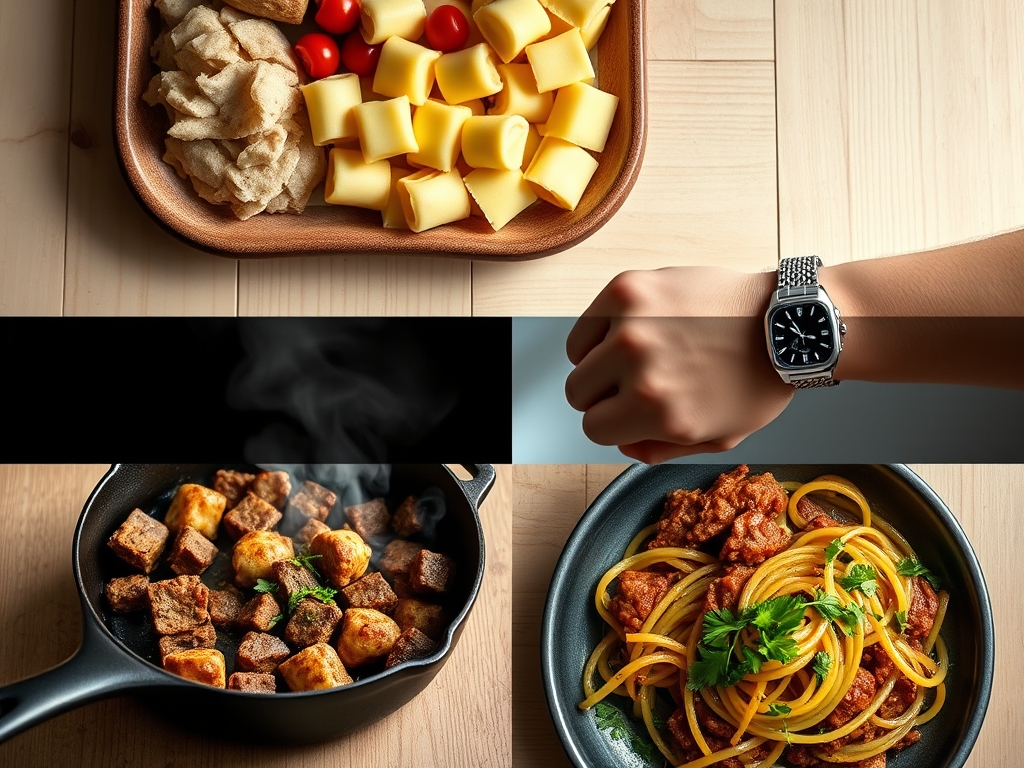
Place the ground beef in a preheated skillet. Do not break it up immediately. Let it sit for two minutes to develop a deep brown crust. This is the Maillard reaction, a chemical dance between amino acids and reducing sugars that creates hundreds of flavor compounds. Use a sturdy wooden spoon or a bench scraper to break the meat into small, uniform crumbles once the crust has formed.
Pro Tip: Avoid overcrowding the pan. Overcrowding leads to steaming rather than searing, which results in grey, lackluster meat. If you see grey liquid pooling, your heat is too low or your pan is too small.
2. Rendering and Aromatics
Once the meat is browned, push it to the perimeter of the skillet. Add your minced shallots and garlic to the center, utilizing the rendered beef fat. Sauté until translucent and fragrant. This process allows the fat-soluble flavor compounds in the aromatics to infuse the entire dish.
Pro Tip: This is the stage for enzymatic browning. Adding a pinch of salt now draws out moisture from the onions, speeding up the caramelization process without burning the delicate garlic.
3. The Deglaze
Pour in a splash of dry red wine or beef stock. Use your spatula to scrape up the "fond," which are the brown bits stuck to the bottom of the pan. This concentrated flavor is the soul of your sauce. The liquid will bubble and reduce, becoming more viscous as it incorporates the fats and proteins.
Pro Tip: Deglazing is a thermal shock. It releases the caramelized proteins back into the liquid, creating a complex, layered base that water alone cannot achieve.
4. Gnocchi Integration
Boil your gnocchi in salted water until they float. This usually takes about two to three minutes. Using a slotted spoon, transfer the gnocchi directly from the water into the skillet. Do not drain them in a colander. The small amount of starchy water clinging to the gnocchi is essential for the final emulsion.
Pro Tip: This is "carryover cooking." The gnocchi will continue to soften and absorb the sauce once in the skillet, so pulling them out of the water slightly "al dente" is vital for the perfect texture.
5. The Emulsion Finish
Turn the heat to low and add a knob of cold butter or a splash of heavy cream. Toss vigorously. The agitation combined with the starch from the pasta water and the fats in the pan creates a stable emulsion. The sauce should transition from a thin liquid to a glossy, thick coating that hugs each piece of gnocchi.
Pro Tip: Cold butter is essential for a "monter au beurre" finish. The cold fat incorporates more slowly than melted fat, resulting in a silkier, more stable sauce that won't break.
The Deep Dive: Science and Solutions
From a macro perspective, gnocchi and ground beef recipes are powerhouse meals. A standard serving provides roughly 25 grams of protein and 40 grams of carbohydrates. To optimize this for different diets, consider the following swaps. For a Keto-friendly version, replace potato gnocchi with sautéed zucchini medallions or keto-specific almond flour dumplings. For a vegan twist, use plant-based crumbles and nutritional yeast to replicate the savory, cheesy finish.
The Fix-It: Technical Troubleshooting
- The Sauce is Too Thin: This usually means there is not enough starch. Whisk a teaspoon of cornstarch with cold water and stir it in, or simply simmer for two more minutes to reduce the liquid.
- The Gnocchi is Mushy: You likely overboiled them. Next time, sear the gnocchi in a separate pan with butter before adding them to the sauce to create a protective, crispy outer layer.
- The Meat is Dry: You may have used a lean meat like 93/7. Fix this by adding a tablespoon of tomato paste or a splash of heavy cream to reintroduce moisture and mouthfeel.
Meal Prep and Reheating
To maintain "day-one" quality, store the sauce and gnocchi together. When reheating, add a tablespoon of water or broth. This replaces the moisture lost to retrogradation, a process where starch molecules realign and harden as they cool. Reheating with a splash of liquid "unlocks" the starch, returning the gnocchi to their original pillowy state.
The Wrap-Up:
You are now equipped with the technical prowess to turn simple pantry staples into a culinary masterpiece. Gnocchi and ground beef recipes are more than just a quick fix; they are a study in texture, temperature, and timing. By focusing on the Maillard reaction and the power of a proper emulsion, you elevate a standard skillet meal into something truly extraordinary. Go forth, grab your heaviest skillet, and start searing. Your kitchen is about to smell incredible!
The Kitchen Table:
How do I prevent my gnocchi from sticking together?
Ensure your water is at a rolling boil and use a large pot. Adding the gnocchi in small batches prevents the water temperature from dropping, which keeps the starch from becoming excessively gummy and causing the pieces to fuse.
Can I cook the gnocchi directly in the sauce?
Yes, but you must add extra liquid. The gnocchi will absorb moisture as they cook. Use a lid to trap steam, ensuring the tops of the gnocchi cook evenly while the bottoms soak up the savory beef flavors.
What is the best beef-to-gnocchi ratio?
A standard 1:1 ratio by weight (one pound of beef to one pound of gnocchi) provides a balanced bite. This ensures you get a hearty portion of protein alongside the soft, pillowy dumplings in every spoonful.
Why did my sauce separate and look oily?
The emulsion "broke" because the heat was too high or it lacked a binding starch. Remove from heat and whisk in a tablespoon of hot pasta water or a splash of cream to bring the fats and liquids back together.