
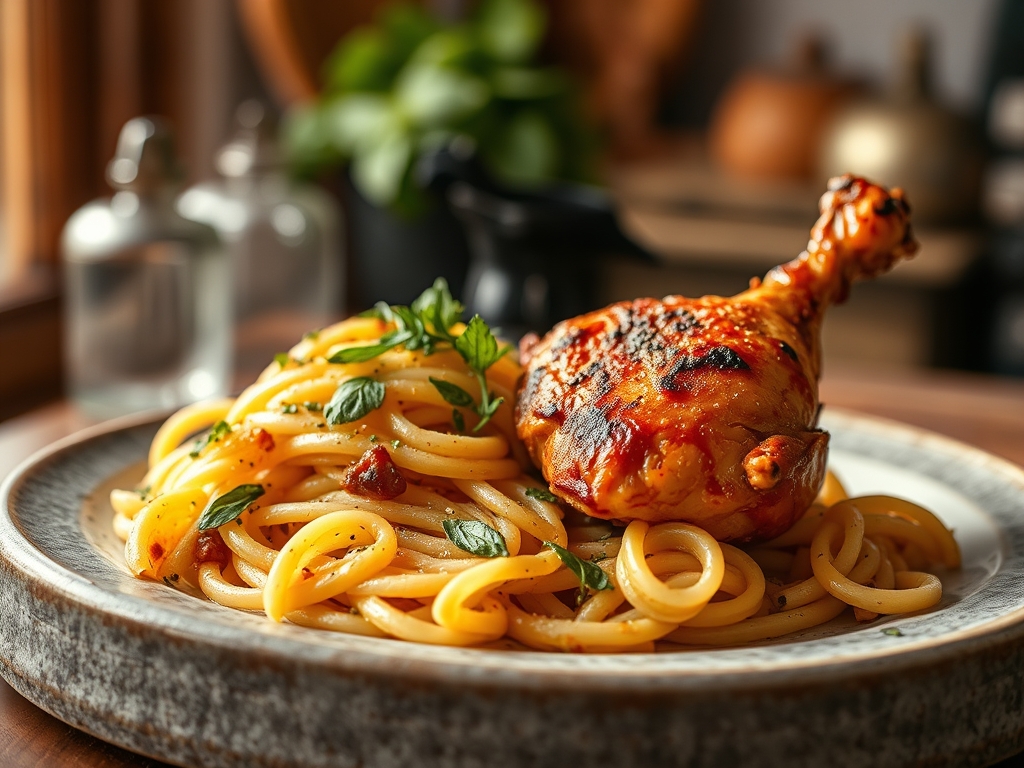
The scent of rendered schmaltz and toasted garlic is the universal siren song of a home cook who has mastered the art of the shortcut. When you are staring down a Tuesday evening with nothing but a grocery store bird and a box of dried noodles, you are not just making dinner; you are conducting a symphony of convenience. These pasta and rotisserie chicken recipes are the ultimate tactical maneuver for the modern kitchen. We are bypassing the hours of braising and roasting by leveraging the pre-developed Maillard reaction of a professionally roasted bird. By the time the water reaches a rolling boil, the heavy lifting is already done. We are here to transform that humble, plastic-domed protein into a dish that tastes like a four-hour labor of love. It is about the friction between the silky, starch-laden pasta water and the savory, piquant juices of the chicken. We are going to deconstruct, deglaze, and redefine what "fast food" means in your household. Grab your heavy-bottomed skillet and a sharp pair of kitchen shears; we are about to turn a humble supermarket staple into a five-star masterpiece.
The Gathers:
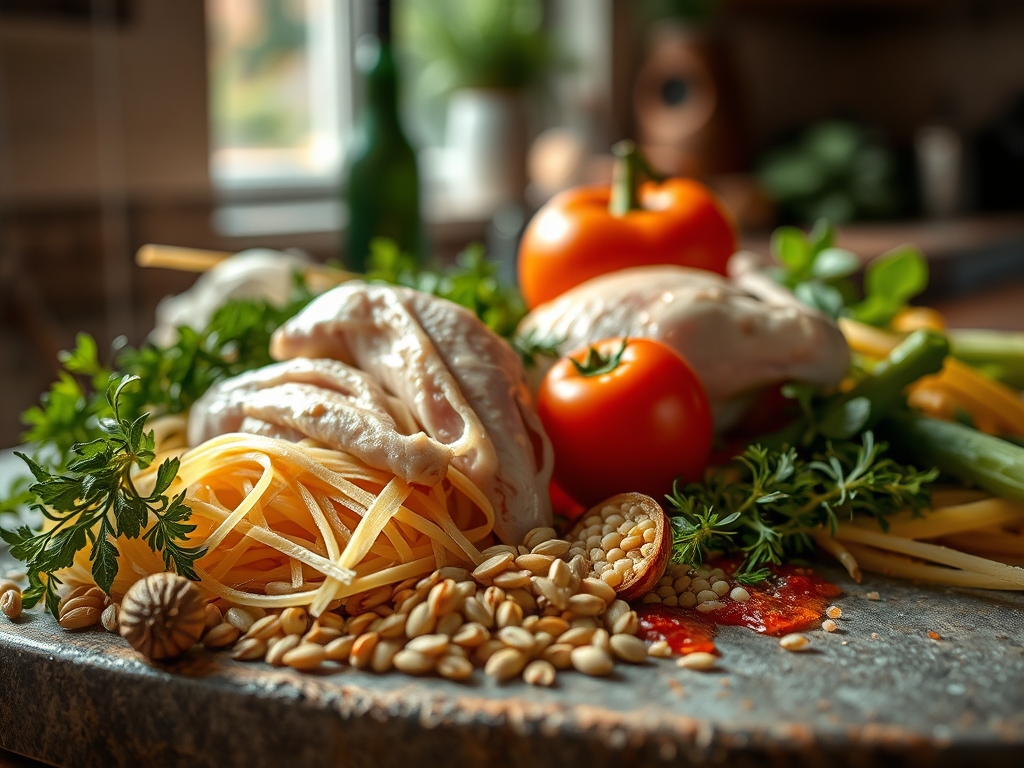
To execute these pasta and rotisserie chicken recipes with precision, your mise-en-place must be impeccable. Start with one standard rotisserie chicken, approximately two pounds. You will want to separate the skin and bones from the meat while the bird is still warm; this ensures the lipids remain viscous and easy to manipulate. For the pasta, choose a shape with high surface area like rigatoni or fusilli to maximize sauce adhesion. You will also need high-fat heavy cream, freshly grated Parmigiano-Reggiano (use a microplane for maximum aeration), and aromatic foundations like shallots and garlic.
The science of flavor here relies on "Smart Substitutions." If you lack fresh shallots, use the white parts of green onions for a similar sulfurous profile without the bite. If heavy cream feels too indulgent, a dollop of full-fat Greek yogurt added off-the-heat provides a similar lactic tang and creamy mouthfeel. Always keep a bottle of dry white wine, like a Sauvignon Blanc, nearby to deglaze the pan and release those concentrated browned bits, known as fond, which contain the highest density of umami.
The Clock
The beauty of this workflow is the "Chef's Flow," a sequence where no second is wasted. Total preparation time is ten minutes, mostly dedicated to deboning the bird and mincing aromatics. The cooking time mirrors the boiling time of your pasta, typically eight to twelve minutes.
While the water comes to a boil in a large pot, you are simultaneously rendering the chicken skin in a saucier to create a crispy garnish. By the time the pasta is al dente, your sauce base is emulsified and ready to receive the noodles. This parallel processing ensures that the chicken does not overcook and become stringy; it only needs to be warmed through in the final two minutes of the process.
The Masterclass
1. The Protein Breakdown
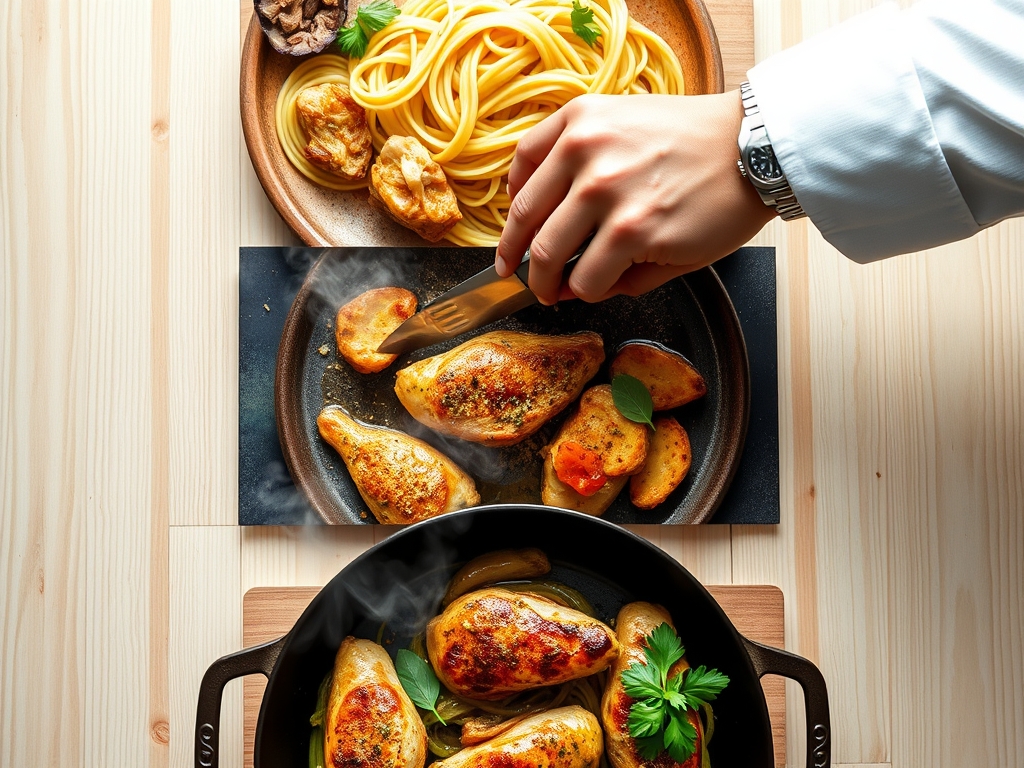
Begin by deconstructing the chicken using a bench scraper or your hands. Remove the breast meat and thighs, dicing them into uniform bite-sized pieces. Save the carcass for a future stock.
Pro Tip: This is the "Thermal Carryover" phase. Even though the chicken is pre-cooked, keeping the pieces larger during the initial reheat prevents the internal moisture from evaporating, ensuring the meat remains succulent rather than dry.
2. The Aromatics and Fat Base
Place a heavy-bottomed skillet over medium heat. Add two tablespoons of unsalted butter and a splash of olive oil. Sauté your minced garlic and shallots until translucent but not browned.
Pro Tip: This process is called "Sweating." By keeping the temperature moderate, you break down the cellulose in the vegetables without triggering the Maillard reaction, resulting in a sweeter, more delicate flavor profile that won't overpower the chicken.
3. The Deglaze
Pour in half a cup of dry white wine or chicken stock. Use a wooden spoon to scrape the bottom of the pan vigorously.
Pro Tip: This is "Deglazing." The liquid acts as a solvent, dissolving the caramelized proteins (fond) stuck to the pan. This integrates deep, roasted notes into your sauce that you simply cannot get from a jar.
4. The Emulsification
Lower the heat and whisk in your heavy cream or pasta water. Gradually add your microplaned cheese, whisking constantly in a figure-eight motion.
Pro Tip: You are creating a "Stable Emulsion." The fats from the cheese and cream are bonding with the water-based liquids. If the heat is too high, the proteins in the cheese will clump; keeping it low ensures a velvety, homogenous texture.
5. The Marriage
Transfer the al dente pasta directly from the water into the skillet using tongs. Add the chicken pieces and a splash of reserved pasta water. Toss vigorously for sixty seconds.
Pro Tip: This is "Starch Gelatinization." The residual starch on the pasta surface acts as a bridge between the noodle and the sauce, causing the liquid to thicken and cling to the pasta rather than pooling at the bottom of the bowl.
The Deep Dive
When we look at the macro nutrition of these pasta and rotisserie chicken recipes, we see a balanced profile of complex carbohydrates and high-quality protein. A standard serving provides approximately 35 grams of protein and 50 grams of carbohydrates. To optimize this for dietary needs, consider these swaps: for Keto, replace the pasta with roasted cauliflower or zoodles; for Vegan needs, use a cashew-based cream and nutritional yeast; for Gluten-Free, choose a high-quality brown rice pasta.
Every chef faces pitfalls. If your sauce is "Broken" (oily and separated), whisk in a tablespoon of hot pasta water to re-emulsify the fats. If the chicken is "Dry," you likely added it too early; next time, fold it in at the very last second. If the dish is "Bland," it needs acid; a squeeze of fresh lemon juice will brighten the fats and elevate the salt profile. For meal prep, store the sauce and pasta separately if possible. To reheat, add a splash of milk and microwave at 50 percent power to prevent the fats from "splitting" and turning the dish greasy.
The Wrap-Up
You have just successfully navigated the transition from "exhausted" to "executive chef." By understanding the chemistry of emulsification and the strategic use of pre-cooked proteins, you have elevated a basic grocery run into a culinary event. These pasta and rotisserie chicken recipes are more than just meals; they are a testament to the power of smart cooking. Now, plate your creation, garnish with a flurry of fresh parsley, and enjoy the fruits of your very brief labor. You earned this.
The Kitchen Table
How do I keep the chicken from getting tough?
Only add the rotisserie chicken during the final two minutes of simmering. Since the meat is already cooked, you only need to achieve thermal equilibrium with the sauce. Overheating causes the muscle fibers to contract and expel moisture.
Can I use the chicken skin in the pasta?
Absolutely. For the best texture, remove the skin and crisp it in a dry pan over medium heat until the fat renders out. Chop the "cracklings" and use them as a salty, crunchy garnish just before serving.
What is the best pasta shape for rotisserie chicken?
Choose shapes with "nooks and crannies" like orecchiette, radiatori, or campanelle. These shapes are designed to trap small pieces of shredded chicken and thick sauce, ensuring every bite is perfectly balanced and flavorful.
How long does rotisserie chicken pasta last in the fridge?
When stored in an airtight container, it remains safe and delicious for up to three days. When reheating, add a teaspoon of water or milk to loosen the starches and restore the sauce's original creamy consistency.