
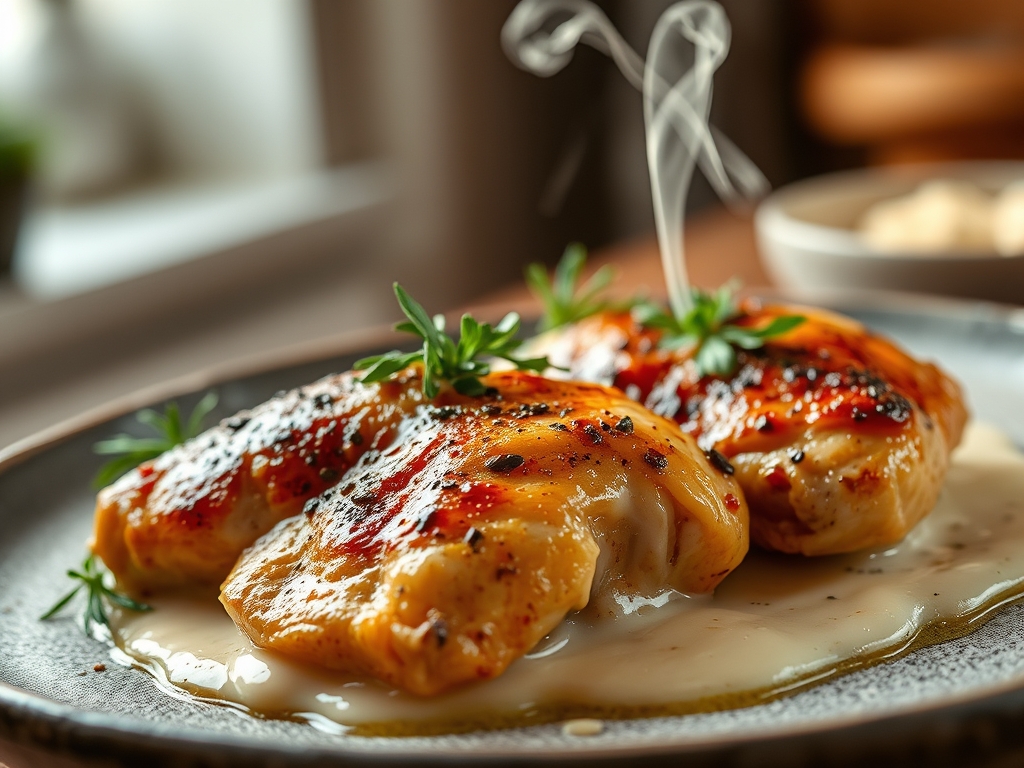
Picture the scene where a heavy bottomed skillet meets a splash of high fat dairy. The liquid hits the hot metal and instantly begins to aerate; bubbling into a thick, ivory foam that clings to golden poultry. Mastering chicken recipes using heavy cream is the ultimate culinary cheat code for achieving that velvet mouthfeel usually reserved for five star bistros.
When we talk about luxury in the kitchen, we are really talking about lipids. Heavy cream acts as a powerful emulsifier, binding acidic deglazing liquids like white wine or lemon juice into a cohesive, viscous sauce. It is the bridge between the sharp, piquant notes of a pan sauce and the savory, rendered fats of the bird. Whether you are craving a classic Tuscan bird or a spicy peppercorn finish, the science remains the same. We are looking for that perfect reduction where the water evaporates, leaving behind a concentrated, silky coating.
In this guide, we are going to dive into six distinct variations of this comfort classic. We will explore how to manipulate temperature and timing to ensure your sauce never breaks. From the Maillard reaction on the skin to the final infusion of fresh herbs, your kitchen is about to become the most popular spot in the neighborhood. Grab your apron and a glass of something crisp; we are going to turn humble poultry into a masterpiece of dairy science.
The Gathers:
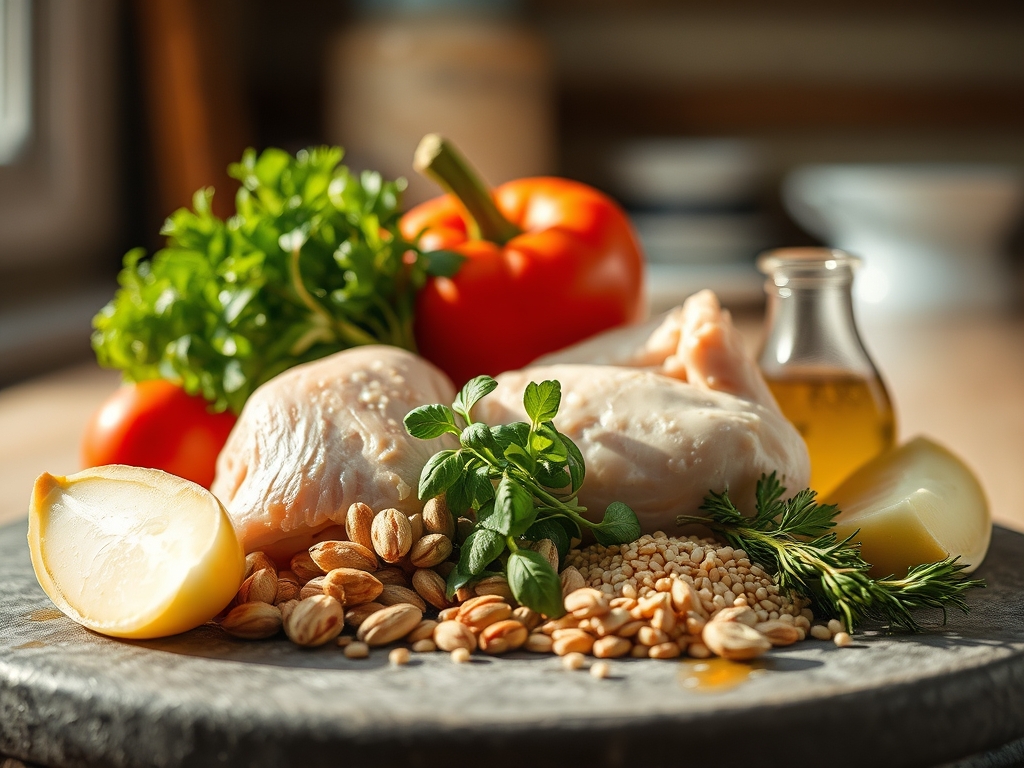
To execute these chicken recipes using heavy cream with precision, your mise en place must be impeccable. You will need high quality chicken thighs or breasts; ideally air chilled to ensure the skin can properly crisp without excess moisture interference. Your heavy cream should be at least thirty six percent milk fat. This high fat content is crucial because it provides the structural integrity needed to withstand high heat without curdling.
For your aromatics, reach for a microplane to zest lemons and grate fresh garlic into a fine paste. This increases the surface area, allowing the essential oils to infuse the fat more rapidly. You will also need a dry white wine, such as a Sauvignon Blanc, to deglaze the pan. The acidity in the wine cuts through the richness of the cream, creating a balanced flavor profile.
Smart Substitutions:
If you find yourself short on heavy cream, a mixture of whole milk and unsalted butter can work in a pinch, though the stability will be lower. For a tangy twist, crème fraîche offers a similar fat content with a built in fermented acidity. If you are looking to lighten the dish, evaporated milk provides a concentrated protein structure that mimics the thickness of cream without the same caloric density, though you will lose that signature buttery finish.
The Clock
Efficiency in the kitchen is all about the "Chef's Flow." For these dishes, expect a total commitment of forty five minutes. Prep takes roughly fifteen minutes; this includes slicing your aromatics, patting the meat dry with paper towels, and measuring your liquids using a digital scale for accuracy.
The cooking phase spans thirty minutes. You will spend the first ten minutes rendering fat and achieving a deep sear. The middle ten minutes are dedicated to the "braise and reduce" phase where the cream works its magic. The final ten minutes are for resting. Resting is non negotiable; it allows the muscle fibers to relax and reabsorb juices, ensuring the meat is succulent rather than dry.
The Masterclass
1. The Sear and Render
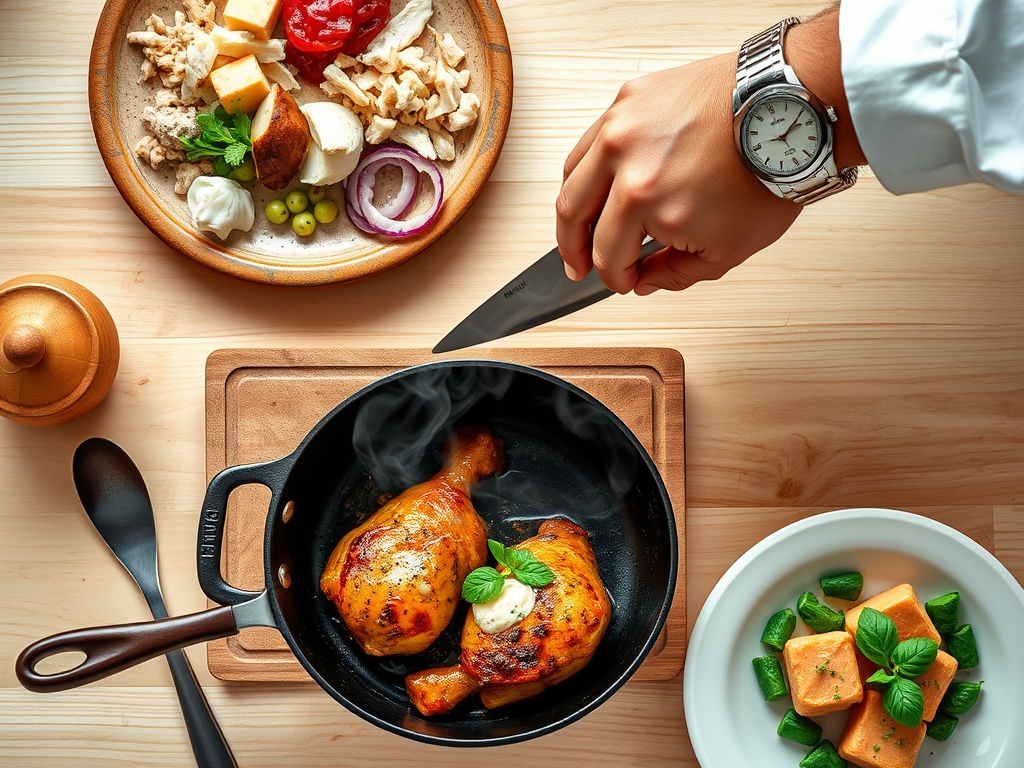
Place your chicken skin side down in a cold, heavy bottomed skillet and then turn the heat to medium high. This cold start method allows the subcutaneous fat to render slowly, resulting in a glass like crunch. Use tongs to press the meat down, ensuring even contact with the heat source.
Pro Tip: This stage utilizes the Maillard reaction. By keeping the surface dry and the heat consistent, amino acids and reducing sugars rearrange to create hundreds of flavor compounds and a characteristic brown color.
2. Deglazing the Fond
Once the chicken is browned and removed, you will see brown bits stuck to the bottom of the pan. This is called "fond." Pour in your acidic liquid; wine or stock; and use a wooden spoon or bench scraper to lift those bits. This is where the deepest flavor lives.
Pro Tip: Deglazing is a thermodynamic process. The liquid rapidly cools the pan, lifting the caramelized proteins through steam and kinetic energy, integrating them into what will become your sauce base.
3. The Cream Infusion
Lower your heat to medium and pour in the heavy cream. Use a whisk to incorporate the cream into the deglazing liquid. This is the moment where you add your "flavor boosters" like Dijon mustard, parmesan, or sun dried tomatoes.
Pro Tip: Maintain a gentle simmer rather than a rolling boil. High heat can cause the proteins in the dairy to denature too quickly and clump, leading to a grainy texture instead of a smooth emulsion.
4. The Reduction Phase
Allow the sauce to bubble until it reaches "nappe" consistency. This means the sauce is thick enough to coat the back of a spoon without running off. You are looking for a reduction of about one third of the original volume.
Pro Tip: Evaporation concentrates the solutes. As water leaves the pan, the ratio of fat and sugar to liquid increases, which heightens the perceived sweetness and richness of the cream.
5. Returning the Protein
Nestle the chicken back into the bubbling cream. If you are using skin on chicken, keep the skin above the liquid line to maintain its texture. Cover the pan if the internal temperature needs to rise, or leave it open to continue thickening the sauce.
Pro Tip: Use a digital thermometer to pull the chicken at one hundred sixty degrees Fahrenheit. Thermal carryover will bring it to the food safe one hundred sixty five degrees while it rests.
6. The Final Emulsion
Off the heat, stir in a cold knob of butter or a squeeze of fresh lemon. This "monter au beurre" technique adds a final gloss and a fresh pop of flavor that cuts through the cooked dairy notes.
Pro Tip: Adding cold fat to a hot sauce at the very end creates a stable emulsion. The cold temperature prevents the butter from breaking instantly, allowing it to disperse into tiny droplets that thicken the sauce further.
The Deep Dive
From a macro nutrition perspective, these dishes are high in protein and healthy fats, making them excellent for satiety. A standard serving contains roughly thirty five grams of protein and twenty eight grams of fat. To make this Keto friendly, simply serve over roasted cauliflower or zucchini noodles. For a gluten free version, ensure your chicken is not dredged in flour before searing; the cream reduction provides enough body that a roux is unnecessary.
The Fix-It:
- Broken Sauce: If the oil separates from the cream, whisk in a tablespoon of very hot water or an extra splash of cold cream to re emulsify the fats.
- Grainy Texture: This usually happens if you add acidic ingredients too fast or at too high a heat. To fix, pass the sauce through a fine mesh sieve.
- Too Salty: Add a peeled potato to the sauce for five minutes to absorb excess sodium, or balance with a teaspoon of honey.
Meal Prep:
When reheating, do not use the microwave on high power; it will break the emulsion and leave you with a puddle of oil. Instead, use a saucier on low heat and add a splash of milk to loosen the sauce back to its original glory.
The Wrap-Up
Mastering chicken recipes using heavy cream is about more than just following a list of steps; it is about understanding the harmony of fat, heat, and acid. Once you have the technique down, you can pivot from a French peppercorn sauce to a spicy Indian malai curry with ease. Your kitchen is now a laboratory of flavor where every sear and simmer counts. Go forth and cook with confidence; your dinner guests will thank you.
The Kitchen Table
Why does my cream sauce curdle?
Curdling happens when high heat or strong acids cause dairy proteins to clump. To prevent this, use heavy cream with high fat content, keep the heat at a simmer, and add acidic ingredients slowly while whisking constantly.
Can I use half and half instead of heavy cream?
You can, but it is riskier. Half and half has less fat and more water, making it prone to breaking at high temperatures. If using it, add a teaspoon of cornstarch to help stabilize the emulsion.
How do I get the chicken skin crispy in sauce?
The secret is the "nestle" technique. Sear the skin until it is completely rendered and crisp. When adding the chicken back to the cream, ensure the liquid only reaches halfway up the meat, leaving the skin exposed.
What is the best way to thicken a cream sauce?
The most effective way is reduction. By simmering the sauce, you evaporate water and concentrate the fats. If you are in a rush, whisking in a small amount of cold butter or parmesan cheese will also provide body.