
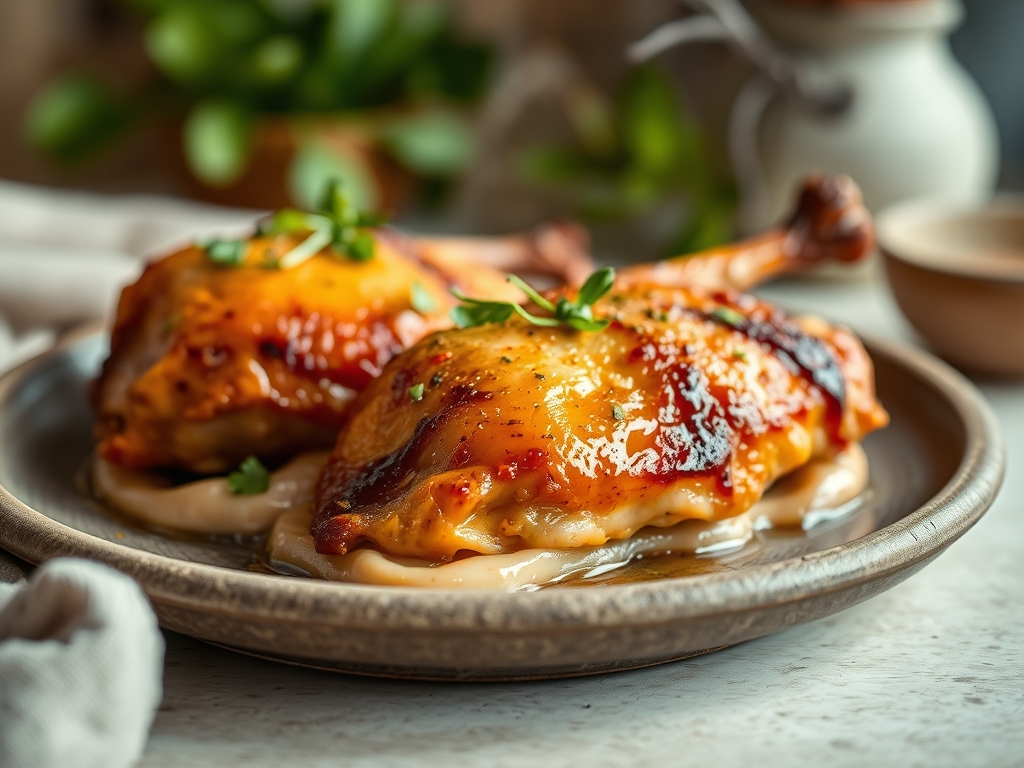
The kitchen is currently humming with the scent of toasted peppercorns and rendered fat; it is the olfactory signature of a chef who has finally mastered the art of the bird. You are not just making dinner; you are orchestrating a sensory experience using these nine fancy chicken recipes to elevate your repertoire. We are moving far beyond the dry, uninspired breasts of yesteryear. We are talking about skin so crisp it shatters like glass and sauces so viscous they cling to the back of a silver spoon.
If you have ever wondered why restaurant poultry tastes fundamentally different from your home attempts, the secret is not just butter. It is the calculated application of thermodynamics and chemistry. We are going to dive deep into the Maillard reaction, the physics of emulsification, and the precise moment when protein fibers transition from raw to succulent. Grab your favorite apron and a glass of something crisp; we are about to turn your kitchen into the hottest bistro in town.
The Gathers:
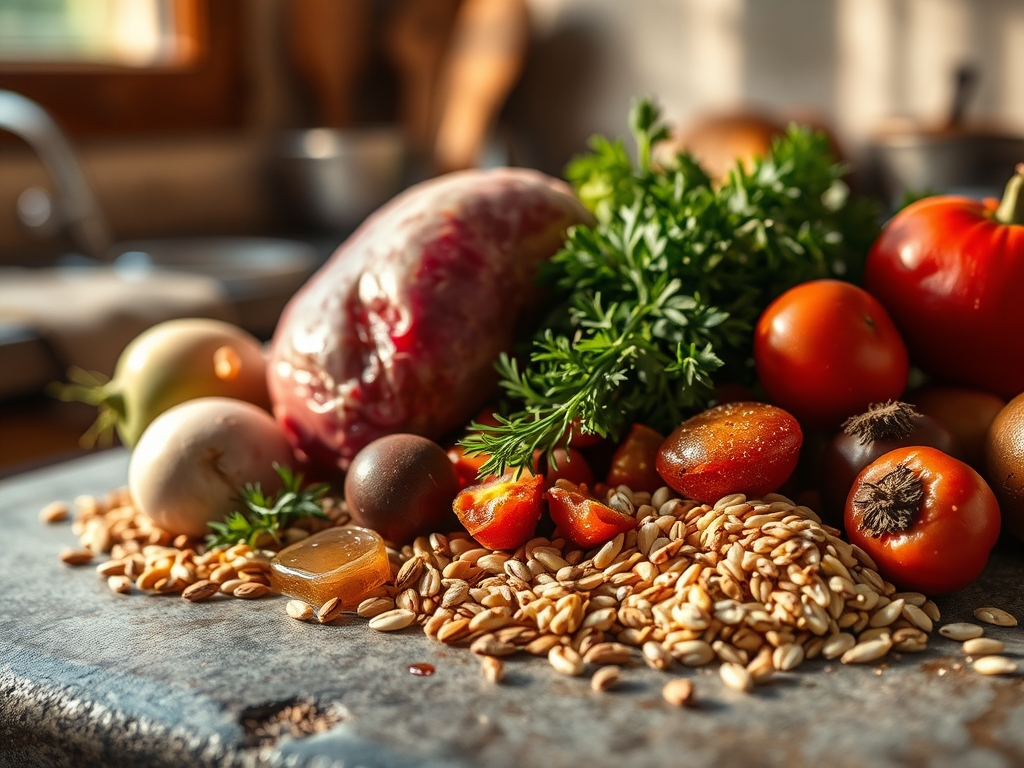
To execute these fancy chicken recipes, your mise-en-place must be impeccable. Start with high-quality poultry; look for air-chilled birds, which have not been bloated with saline solution, ensuring a better sear. You will need a palette of aromatics: shallots for their delicate sulfurous bite, fresh thyme for its earthy thymol oils, and garlic that has been smashed to release its pungent allicin.
Your pantry should boast a high-smoke-point oil, such as grapeseed or avocado oil, to facilitate high-heat browning without acrid oxidation. Keep a block of high-fat European butter nearby for finishing sauces; the lower water content provides a more stable emulsion. For acidity, gather lemons and a dry white wine like Sauvignon Blanc to provide the piquant brightness necessary to cut through rich fats.
Smart Substitutions: If you lack shallots, use the white parts of scallions for a similar mildness. No dry white wine? A splash of verjus or a high-quality white wine vinegar diluted with a bit of water will provide the necessary pH balance without the alcohol. If you are avoiding dairy, a spoonful of cashew cream can mimic the silkiness of heavy cream due to its high starch and fat content.
The Clock
Efficiency in the kitchen is about the Chef's Flow; the ability to overlap tasks so that nothing sits idle. For these fancy chicken recipes, expect a total commitment of sixty to ninety minutes. Prep work usually consumes twenty minutes of focused knife skills, where you will use a sharp chef's knife to achieve uniform dimensions for even cooking.
The cooking phase is where the magic happens. Searing takes approximately eight to ten minutes to achieve deep pigmentation, followed by a gentle braise or roast for twenty minutes. The final ten minutes are reserved for the "rest," a non-negotiable phase where internal pressures equalize. While the meat rests, you will spend five minutes deglazing the pan to create a pan sauce, ensuring every element hits the plate at the peak of its thermal potential.
The Masterclass
1. Tempering and Drying the Protein
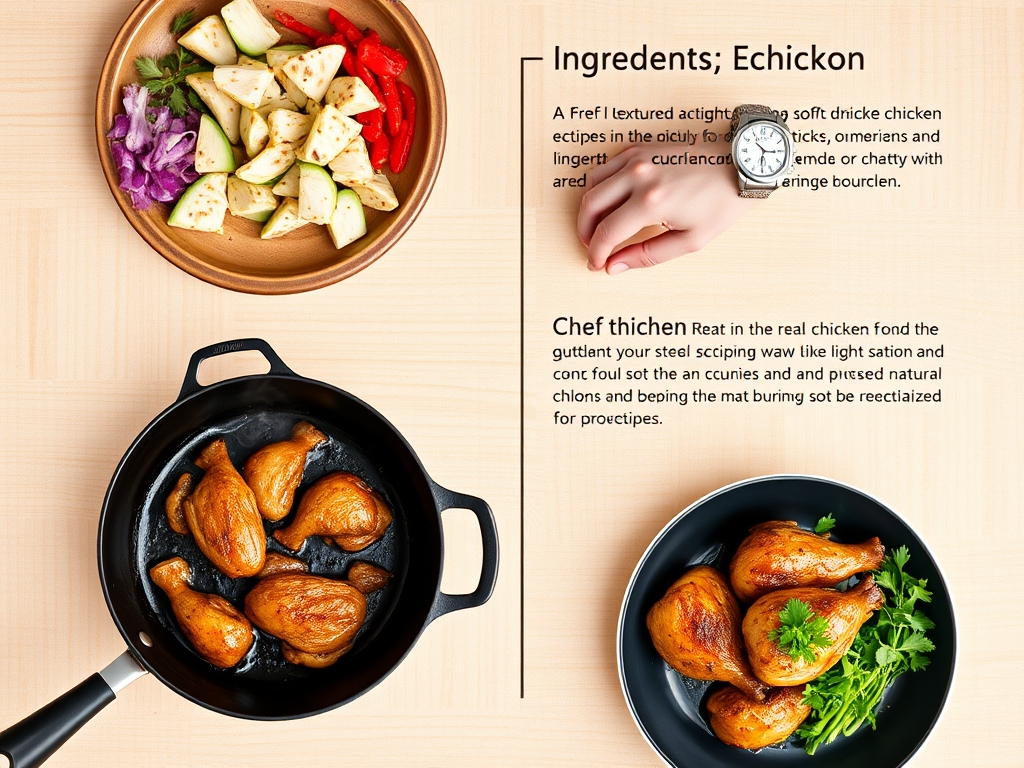
Remove your chicken from the refrigerator thirty minutes before cooking to lose its chill. Use paper towels to aggressively pat the skin dry until it feels like parchment. Moisture is the enemy of the sear; any surface water will turn to steam, preventing the temperature from rising high enough for browning.
Pro Tip: This process prevents "thermal shock." When cold meat hits a hot pan, the muscle fibers contract violently, squeezing out moisture and resulting in a tough texture.
2. The High-Heat Sear
Heat a heavy-bottomed skillet until the oil shimmers and barely reaches its smoke point. Place the chicken skin-side down and resist the urge to move it. You are waiting for the Maillard reaction, a chemical dance between amino acids and reducing sugars that creates hundreds of flavor compounds.
Pro Tip: Use a weight or a heavy press to ensure maximum surface contact. This creates a uniform golden crust and accelerates the rendering of subcutaneous fat.
3. Deglazing the Fond
Once the chicken is removed, you will see brown bits stuck to the pan. This is "fond," the concentrated essence of flavor. Pour in your wine or stock and use a wooden spoon or bench scraper to lift these particles into the liquid.
Pro Tip: Deglazing is a solvent-based extraction. The alcohol in wine dissolves flavor compounds that are not water-soluble, creating a more complex and layered sauce.
4. Mounting the Sauce with Butter
Lower the heat and whisk in cold cubes of butter one at a time. This technique, known as "monter au beurre," creates a stable emulsion where the butterfat is suspended in the liquid, giving the sauce a glossy, velvet-like sheen.
Pro Tip: Keep the sauce below a simmer during this stage. If the sauce boils, the emulsion will break, and the fat will separate into an oily mess.
5. Managing Thermal Carryover
Remove the chicken when it is five degrees below your target internal temperature. Use a digital scale or an instant-read thermometer for precision. The internal heat will continue to move toward the center even after the bird is out of the pan.
Pro Tip: Kinetic energy continues to vibrate through the protein even after the heat source is removed. Ignoring carryover cooking is the primary cause of overcooked poultry.
The Deep Dive
When we look at the macro nutrition of these fancy chicken recipes, we are looking at a powerhouse of lean protein. A standard serving provides approximately thirty-five grams of protein with varying fat content depending on whether you choose the thigh or the breast. By controlling the fats used in your pan sauce, you can easily modulate the caloric density of the meal.
For dietary swaps, these recipes are naturally gluten-free if you avoid flour-based thickeners. To make these keto-friendly, simply lean into the butter and heavy cream while omitting any honey or fruit-based glazes. For a vegan twist, apply these same searing and deglazing techniques to thick slabs of cauliflower or oyster mushrooms; the Maillard reaction works on plant proteins too.
The Fix-It:
- Broken Sauce: If your sauce looks oily, whisk in a teaspoon of warm water or a splash of cream to re-emulsify the fats.
- Soggy Skin: If the skin isn't crisp, you likely crowded the pan. Next time, cook in batches to allow steam to escape.
- Tough Meat: This usually means the bird was cooked too fast at too high a temperature. Use a lower finishing heat to allow the collagen to break down without toughening the muscle.
For meal prep, reheating is a science. Avoid the microwave, which vibrates water molecules and makes the meat rubbery. Instead, reheat gently in a covered skillet with a splash of stock to create a steam-oven effect, preserving the "day-one" succulence.
The Wrap-Up
Mastering fancy chicken recipes is about more than just following a list of steps; it is about understanding the "why" behind every sizzle and splash in the pan. You now have the technical vocabulary and the scientific foundation to turn a simple grocery store staple into a centerpiece that commands attention. Remember that cooking is an iterative process. Every time you deglaze a pan or mount a sauce, you are refining your intuition. So, go forth, use your tongs like an extension of your own hand, and let the kitchen be your laboratory. You have got this, chef.
The Kitchen Table
Why is my chicken skin never crispy?
Residual surface moisture causes steaming instead of searing. Aggressively pat the skin dry with paper towels and ensure your heavy-bottomed skillet is hot enough to shimmer the oil before adding the protein.
Can I use chicken breasts instead of thighs?
Yes, but breasts have less fat and connective tissue, making them prone to drying out. Reduce the cooking time and use a digital thermometer to pull them at exactly 160 degrees Fahrenheit.
What is the best way to thicken a pan sauce?
Instead of flour, use the "monter au beurre" technique. Whisking cold butter into a simmering liquid creates a rich, glossy emulsion that coats the spoon without the pasty taste of raw starch.
How do I prevent the garlic from burning?
Garlic has a high sugar content and burns quickly. Add your aromatics only during the final minutes of searing or after deglazing the pan to infuse flavor without creating bitter, charred bits.