
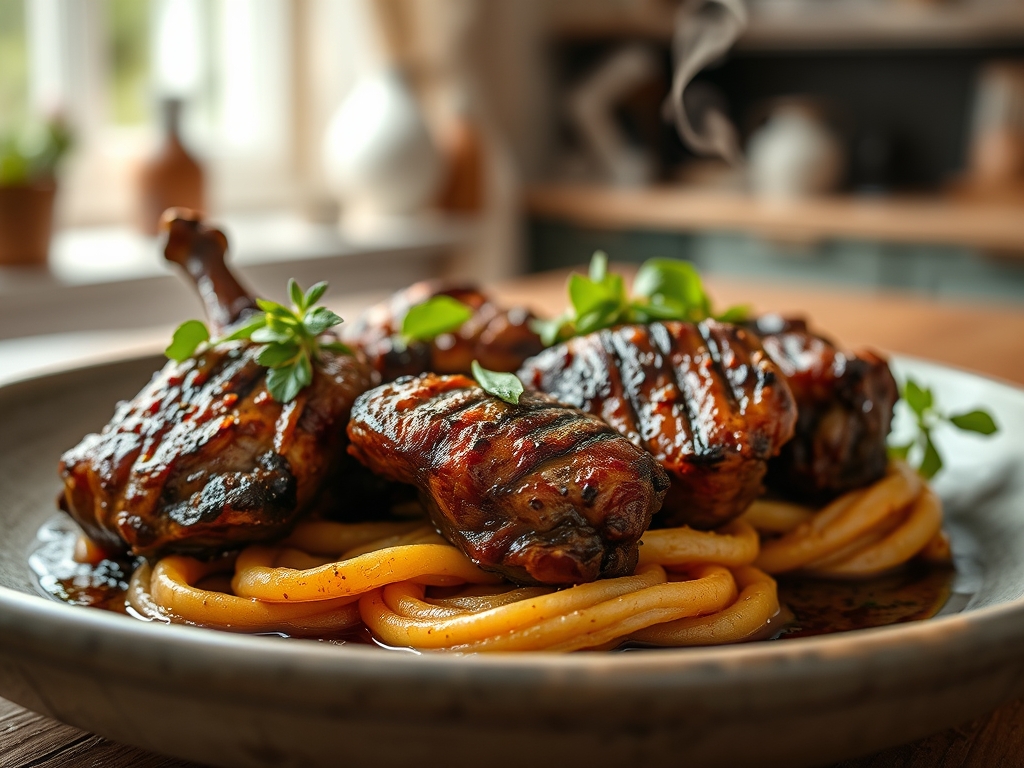
Picture this: you are standing over a heavy-bottomed skillet as the fat begins to render, releasing a savory aroma that fills every corner of your kitchen. While white meat is often the star of the show, it is the unsung hero of the bird that truly delivers on flavor. Mastering dark chicken recipes is the ultimate culinary secret to achieving that perfect balance of crispy skin and succulent, melt-in-your-mouth meat. Unlike the lean breast, thighs and drumsticks are packed with connective tissue and intramuscular fat that transform under heat into something truly spectacular. We are moving beyond basic roasting into a world of complex textures and deep, piquant sauces. This guide is your roadmap to elevating the humblest cut of poultry into a five-star dining experience. By understanding the molecular structure of the meat and the physics of heat transfer, you will never have to worry about a dry dinner again. Let us get into the grit of why dark meat reigns supreme and how you can harness its potential today.
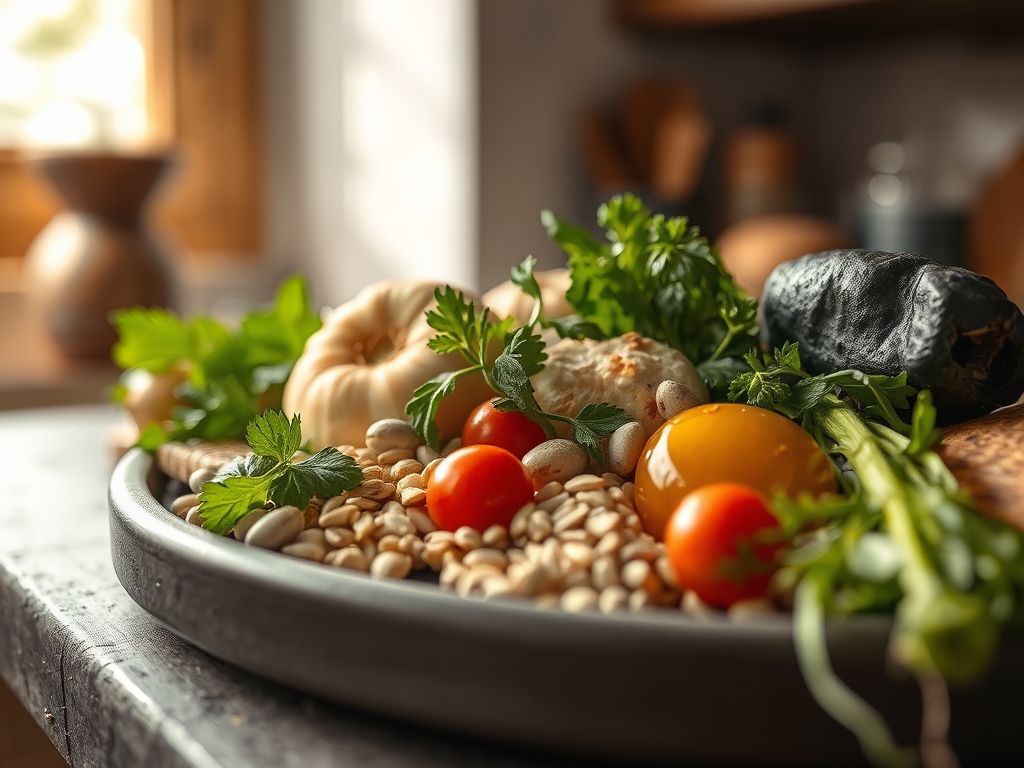
The Gathers:
Your mise-en-place is the foundation of success. Start with high-quality bone-in, skin-on thighs or drumsticks; the bone acts as a thermal conductor, ensuring even cooking from the inside out. You will need a high-smoke-point oil like avocado or grapeseed to facilitate the Maillard reaction without scorching. Grab your microplane for fresh aromatics like ginger and garlic, and keep a digital scale handy to ensure your dry rub ratios are precise. For the sauce, a viscous balsamic glaze or a piquant citrus reduction will cut through the richness of the rendered fat.
Smart Substitutions: If you lack fresh aromatics, high-quality granulated garlic provides a more uniform crust. For those avoiding soy, coconut aminos offer a similar umami profile with a slightly sweeter finish. If you find your sauce is too thin, do not reach for flour; instead, use a cold butter whisked into the saucier at the very end to create a glossy, stable emulsion.
The Clock:
Efficiency in the kitchen is all about the Chef's Flow. Your active prep time should take no more than 15 minutes. This involves trimming excess skin with kitchen shears and patting the protein bone-dry to prevent steaming. The cooking phase typically spans 25 to 35 minutes depending on the thickness of the cut.
The secret to professional timing is the resting period. You must factor in a mandatory 10-minute rest after the chicken leaves the heat. This allows the internal juices, which have been pushed to the center by the heat, to redistribute through the muscle fibers. If you cut too soon, you lose the moisture that makes dark chicken recipes so iconic. Plan for a total "door-to-table" time of 55 minutes, including the cleanup of your bench scraper and cutting board.
The Masterclass:
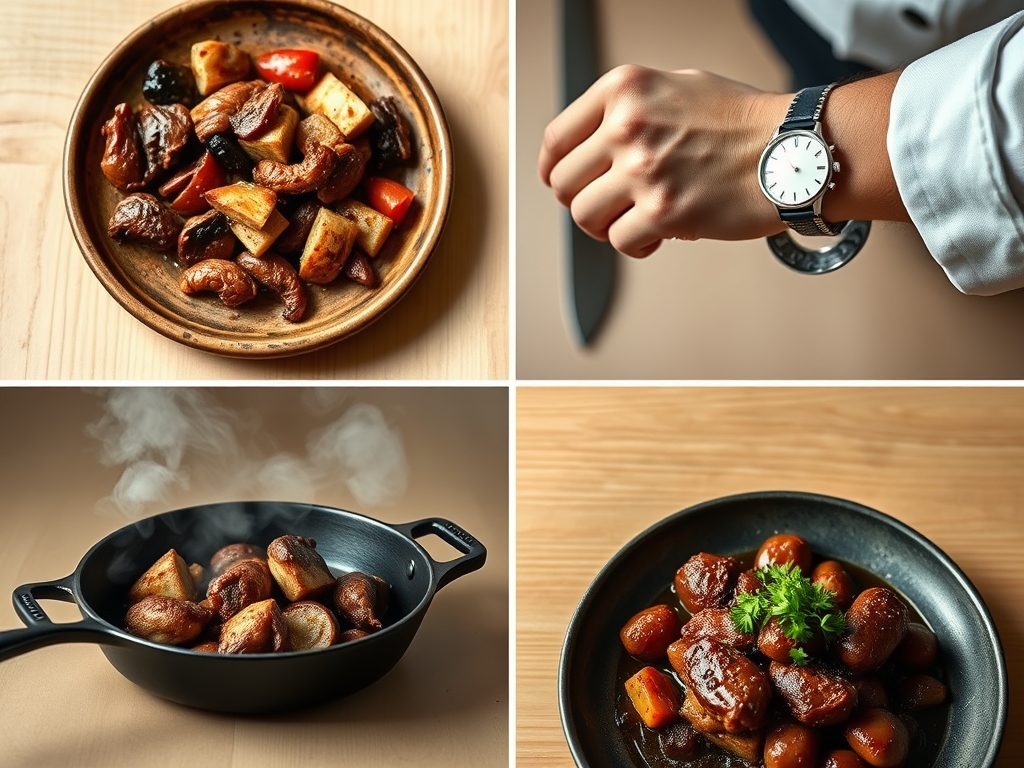
1. The Moisture Purge
Before the heat even touches the pan, use paper towels to remove every trace of surface moisture. This is the most critical step for achieving a shatteringly crisp exterior. A wet surface leads to steam, which creates a rubbery texture rather than a golden crust.
Pro Tip: This technique utilizes the science of evaporative cooling. By removing surface water, the energy of the pan goes directly into browning the skin rather than boiling away excess liquid.
2. The Cold Pan Start
Place your chicken skin-side down in a cold, heavy-bottomed skillet before turning on the flame. This allows the fat to render slowly as the temperature rises, resulting in a thinner, crispier skin that is not weighed down by unrendered grease.
Pro Tip: Gradual heating prevents the protein fibers from seizing up too quickly, which can squeeze out internal moisture before the exterior is set.
3. The Deglaze Maneuver
Once the chicken is browned and removed, use a piquant liquid like white wine or chicken stock to scrape up the fond. These browned bits are concentrated flavor bombs that form the base of your sauce.
Pro Tip: Deglazing is a chemical process where the solubility of the caramelized proteins increases in the presence of heat and liquid, creating a complex flavor profile.
4. The Thermal Finish
Transfer the skillet to a preheated oven to finish the cooking process. This provides 360-degree convection heat that ensures the interior reaches the safe threshold of 165 degrees Fahrenheit without burning the exterior.
Pro Tip: Use an instant-read thermometer to account for thermal carryover. The internal temperature will rise about 5 degrees after you remove the meat from the oven.
5. The Acid Balance
Just before serving, brighten the dish with a squeeze of fresh lemon or a splash of vinegar. The acidity cuts through the heavy fats and refreshes the palate, making each bite feel lighter.
Pro Tip: Acid breaks down the perception of fat on the tongue, a sensory trick that balances the "mouthfeel" of rich dark chicken recipes.
The Deep Dive:
When looking at the macro nutrition, dark meat provides a higher concentration of iron and zinc compared to white meat. While it is higher in calories due to the fat content, these are primarily monounsaturated fats which are heart-healthy. For those on a Keto diet, this is the gold standard of protein. If you are following a Vegan lifestyle, you can replicate the texture using oyster mushrooms or seitan, though you will need to add a touch of liquid smoke to mimic the deep savoriness of the bone-in meat. For a Gluten-Free version, simply ensure your thickeners are cornstarch or arrowroot-based.
The Fix-It: If your skin is soggy, you likely overcrowded the pan, causing a moisture trap; next time, cook in batches. If the meat is tough, you may have undercooked it; dark meat actually becomes more tender as it approaches 175 degrees because the collagen needs time to melt. If the sauce breaks, whisk in a teaspoon of warm water to re-emulsify the fats.
For meal prep, reheating is an art. Avoid the microwave, which turns the skin to rubber. Instead, use an air fryer or a toaster oven at 350 degrees for 8 minutes. This restores the crispness while gently warming the interior, maintaining that "day-one" quality.
The Wrap-Up:
You now hold the keys to the kingdom of flavor. By focusing on the science of rendering fat and the importance of the Maillard reaction, you have transformed a simple ingredient into a culinary masterpiece. Dark chicken recipes are forgiving, versatile, and undeniably delicious. Whether you are hosting a dinner party or prepping for a busy week, these techniques ensure your protein is always the highlight of the plate. Now, grab your tongs and get searing; your kitchen is waiting for that perfect golden glow!
The Kitchen Table:
Why is dark meat better for slow cooking?
Dark meat contains high levels of collagen and connective tissue. During long cooking processes, this collagen breaks down into gelatin, which coats the muscle fibers and creates a rich, succulent texture that white meat cannot achieve.
How do I get the skin extra crispy?
The secret is a combination of dry skin and fat rendering. Start in a cold pan to slowly melt the fat, and never crowd the skillet. This prevents steam from softening the skin during the browning phase.
Is dark chicken meat healthy?
Yes, it is a nutrient-dense protein source. It contains more taurine, iron, and zinc than white meat. The fats present are largely monounsaturated, which are considered beneficial for heart health when consumed in a balanced diet.
What is the best internal temperature for thighs?
While 165 degrees Fahrenheit is the safety standard, dark meat often tastes better at 175 degrees. The extra heat allows the connective tissues to fully dissolve, resulting in a much more tender and flavorful bite.